Polyaspartic vs. Polyurea Floor Coatings: Which Is Better? (2026)
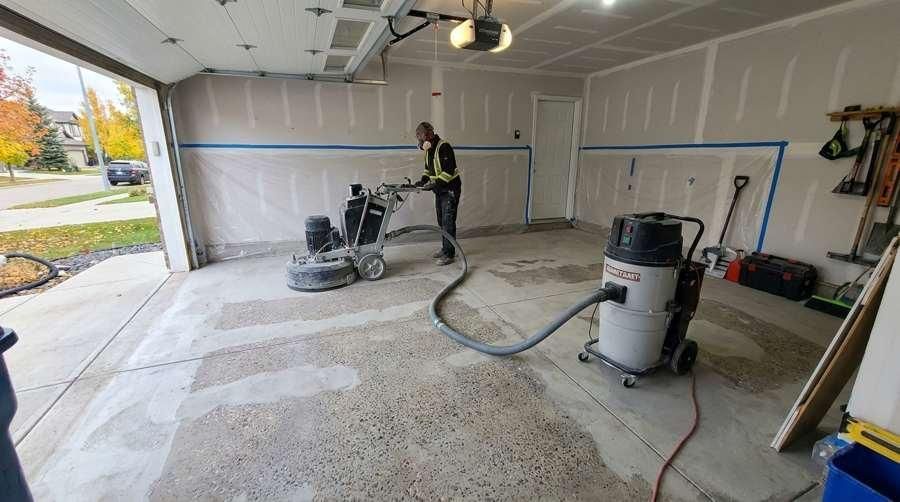
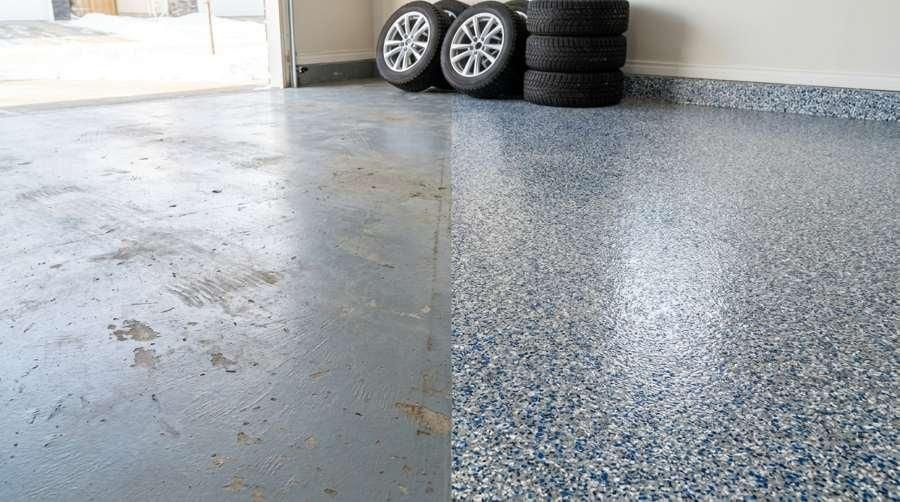
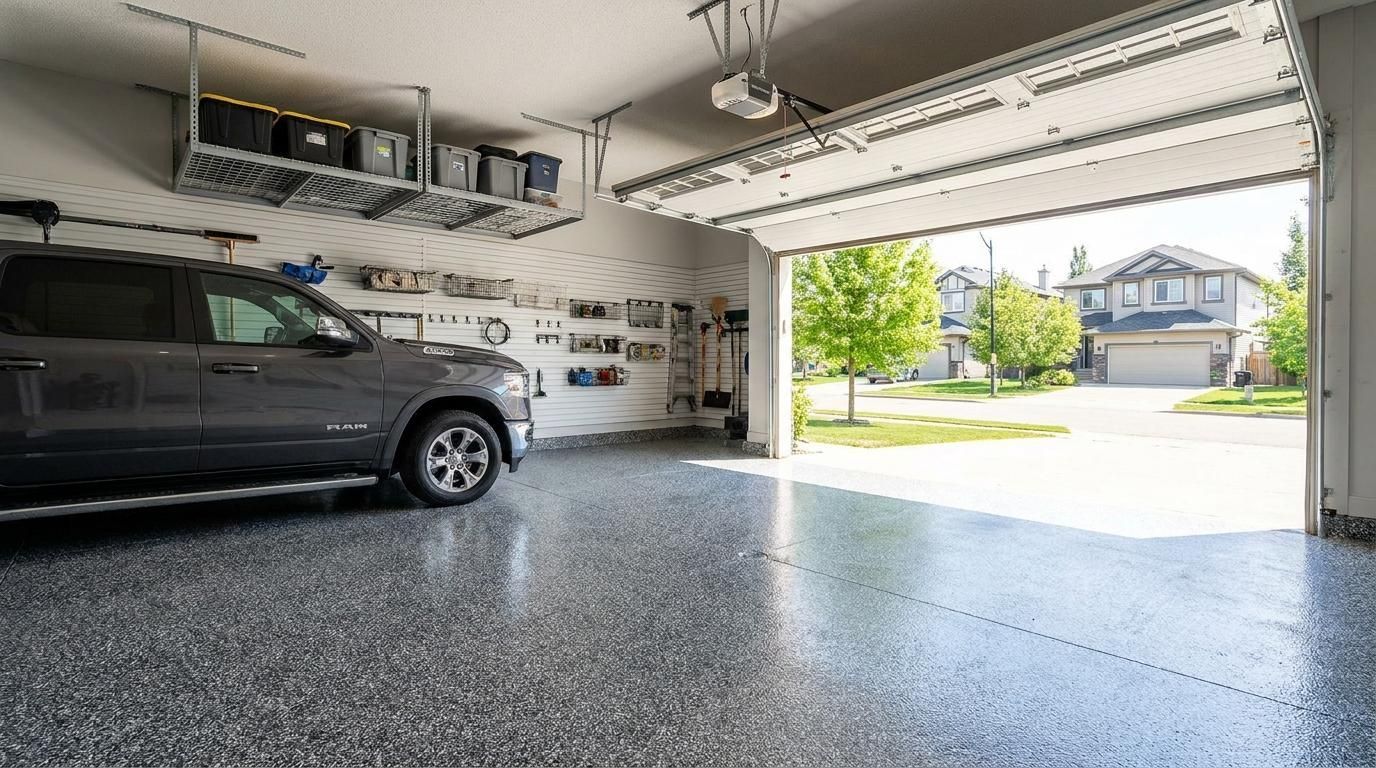
When comparing polyaspartic vs polyurea for a garage floor, the key differences are UV resistance, flexibility, and long-term cost. Polyaspartic stays clear and glossy under sunlight. Polyurea bonds harder to the slab and resists heavy impact. Garage Floors 4 Less Edmonton installs a nanospartic garage floor coating , an advanced polyaspartic system built for Alberta's extreme climate.
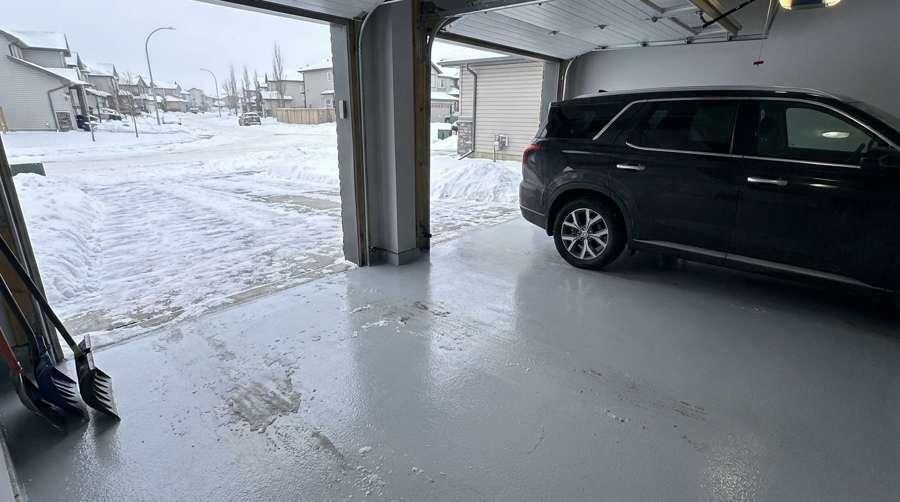
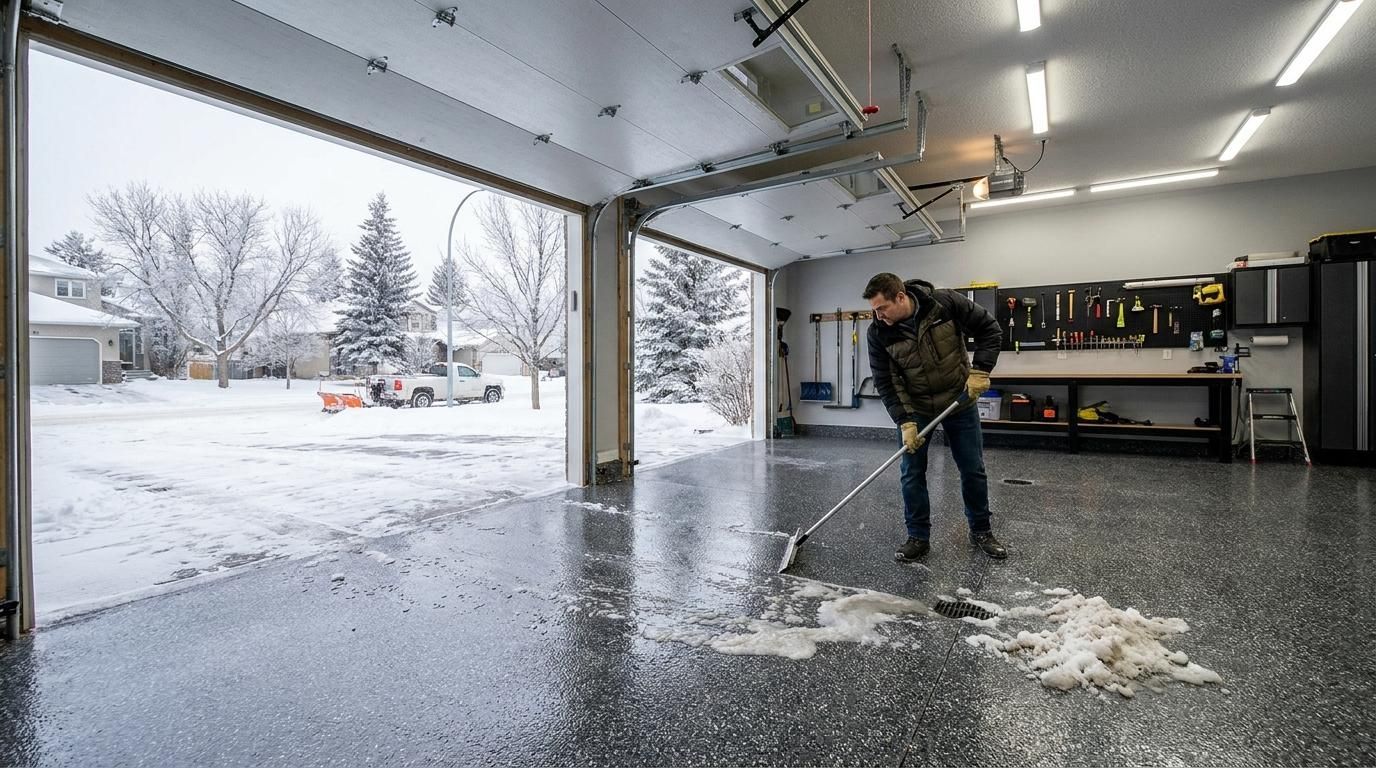
Edmonton's temperature range spans more than 60 degrees Celsius across the year, from winter lows below -30°C to summer highs above 30°C. Those drastic temperature swings put more stress on a garage floor coating than most technical comparisons account for, and it changes which chemistry actually holds up.
How Polyaspartic and Polyurea Coatings Differ
Both are fast-curing, high-performance alternatives to epoxy, but they fill different roles in a coating system.
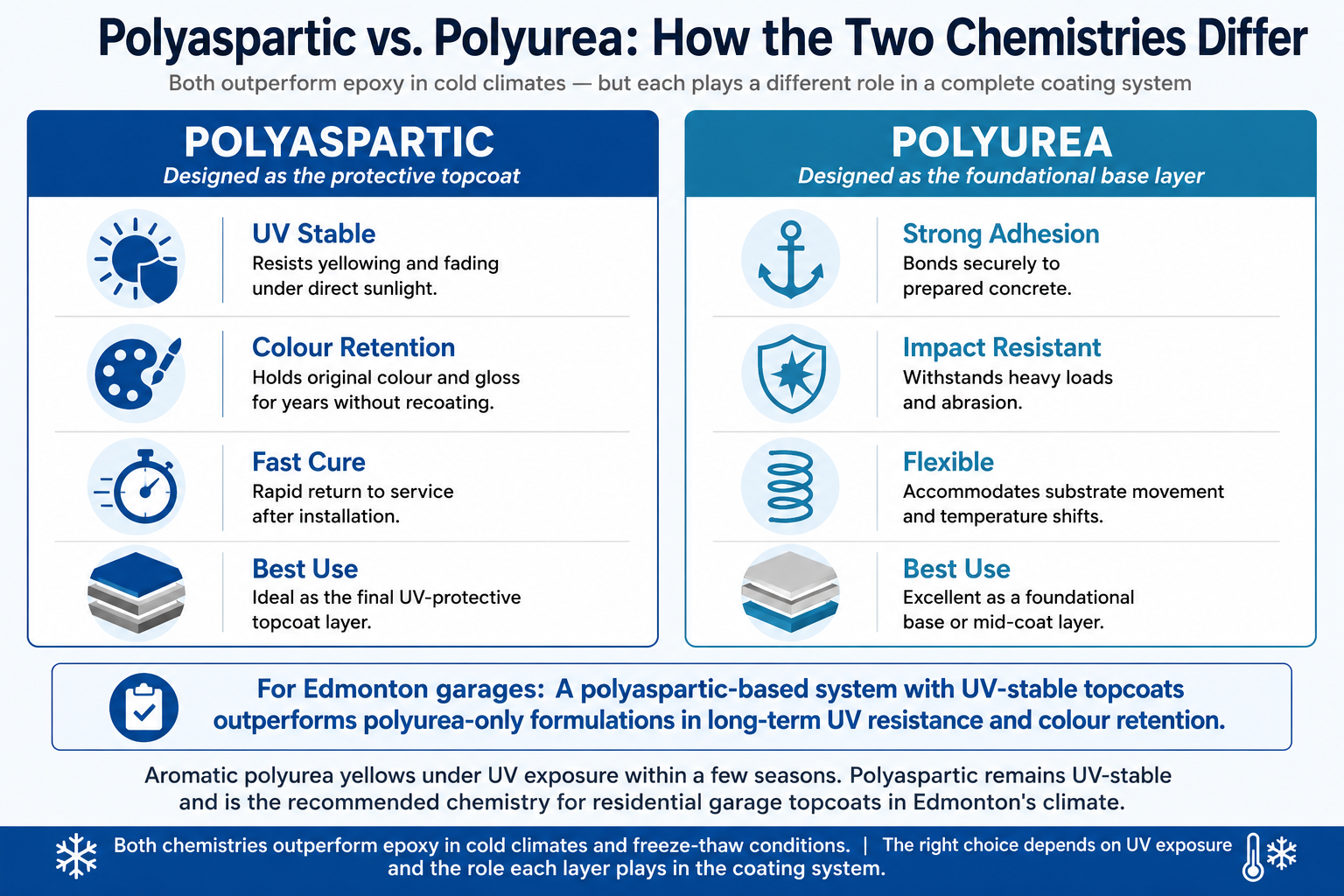
Polyurea
Polyurea is typically used as a base or mid-coat. It bonds well to prepared concrete, resists impact and abrasion, and stays flexible under movement. However, aromatic polyurea formulations yellow when exposed to UV light, which limits their usefulness as a visible top layer in garages with windows or sunlight exposure. Garage Floors 4 Less Edmonton does not install polyurea-only systems.
Polyaspartic and Nanospartic
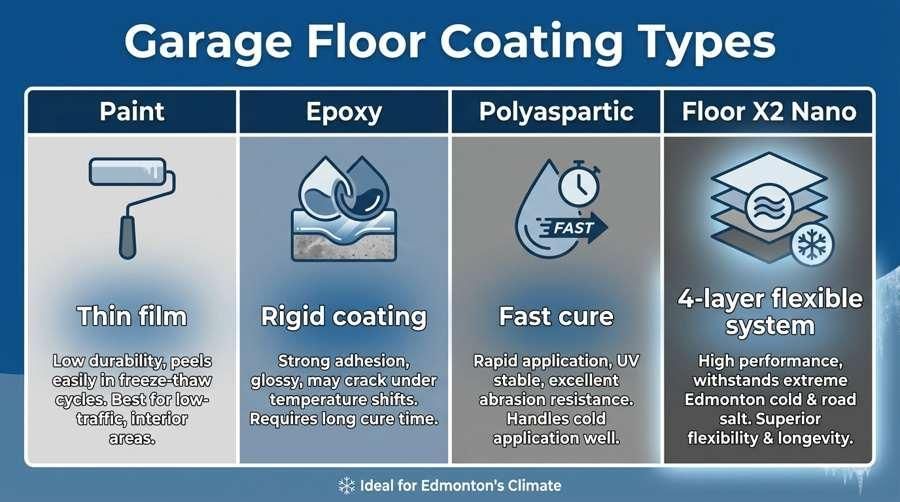
Polyaspartic is a modified form of polyurea engineered for UV stability. It serves as the topcoat that protects the finish from sunlight, chemicals, and daily wear. The Floor X2 Fusion + Nano nanospartic system that Garage Floors 4 Less Edmonton installs advances this chemistry further, delivering 30% more strength than conventional polyaspartic in a four-layer structure with a guaranteed moisture vapour transmission barrier.
Which Coating Handles Edmonton's Climate Better?
Both chemistries outperform epoxy in cold climates, but Edmonton's specific conditions tip the balance toward polyaspartic-based systems for residential garages.
UV Resistance
Edmonton's long summer daylight hours deliver strong UV exposure to garage floors. Aromatic polyurea without a UV-stable topcoat yellows and fades within a few seasons. Polyaspartic resists UV degradation and holds its colour and gloss for years without recoating.
Freeze-Thaw Performance
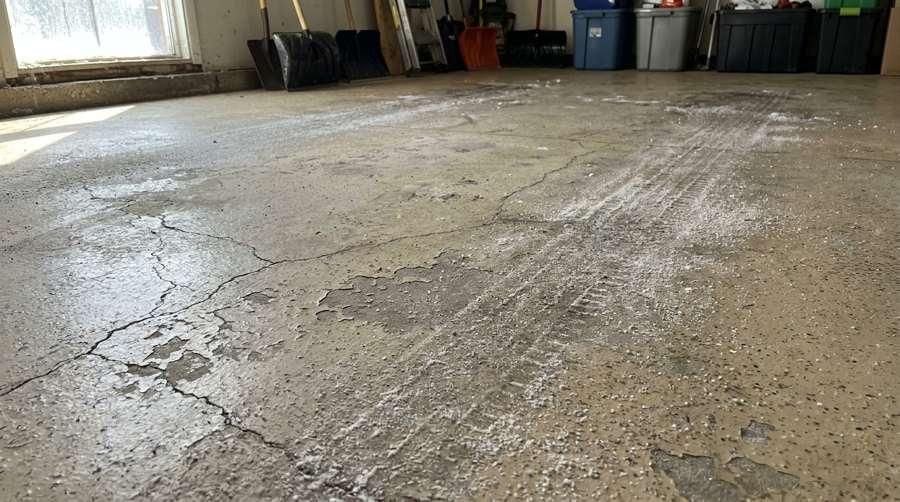
Both polyurea and polyaspartic remain flexible at low temperatures and handle freeze-thaw cycling better than epoxy. The Floor X2 Fusion + Nano system adds a guaranteed moisture vapour transmission barrier, which is critical during Edmonton's spring thaw when moisture rising through the slab causes bubbling and peeling in unprotected coatings.
Road Salt and Chemical Exposure
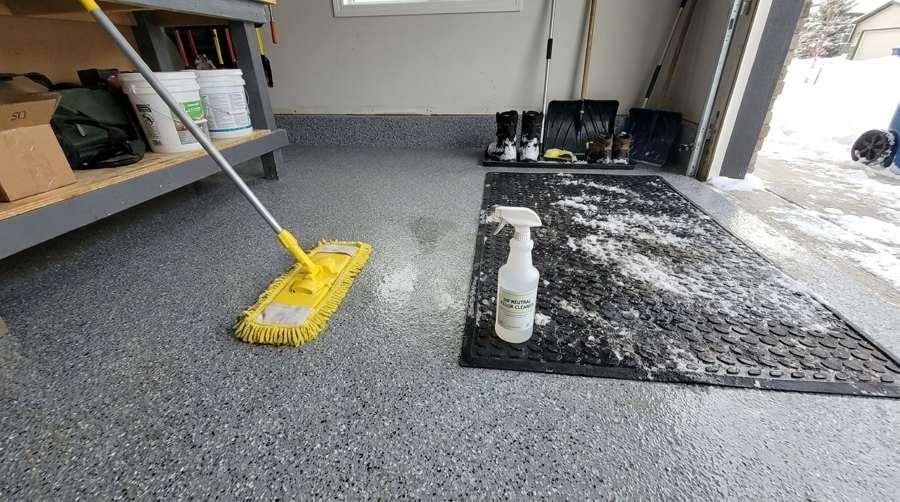
Both chemistries resist de-icing chemicals better than epoxy. Polyaspartic's non-porous, seamless surface sheds road salt and automotive fluids without absorbing stains, making post-winter cleanup straightforward.
Cost and Installation Comparison
Polyurea and polyaspartic systems typically cost between $7 and $12 per square foot installed. The price gap between the two chemistries is usually small compared to the difference between either one and basic epoxy.
The greatest contrast is in their long-term performance. A polyaspartic topcoat that resists UV yellowing keeps the floor looking new without recoating. A polyurea-only system exposed to sunlight may need refinishing sooner. The Floor X2 Fusion + Nano system is backed by a 15-year all-inclusive warranty and can be installed in as little as one day for most residential garages.
Frequently Asked Questions
What is the difference between polyurea and polyaspartic coatings?
Polyurea is a base-layer coating with strong adhesion and flexibility. Polyaspartic is a UV-stable topcoat that protects the finish from sunlight and wear. Most professional systems use both in a layered approach. The nanospartic system Garage Floors 4 Less Edmonton installs advances the polyaspartic formula to be 30% stronger than conventional versions.
Is polyurea or polyaspartic better for a garage floor?
For a residential garage, polyaspartic-based systems perform better because of their UV stability and colour retention. In Edmonton's climate, the Floor X2 Fusion + Nano nanospartic system handles freeze-thaw cycling, moisture vapour, and road salt while maintaining its appearance year after year.
Does Garage Floors 4 Less Edmonton install polyurea coatings?
Garage Floors 4 Less Edmonton installs the Floor X2 Fusion + Nano nanospartic system, which is polyaspartic-based. The company does not install polyurea-only systems. For homeowners across the Edmonton service area comparing the two chemistries, nanospartic represents the next generation of coating performance.
Pick the Right Coating Chemistry for Your Climate
Polyurea and polyaspartic outperform epoxy in durability, flexibility, and cure speed. For an Edmonton garage exposed to UV, road salt, freeze-thaw cycling, and moisture vapour, a polyaspartic-based system with UV-stable topcoats is the stronger long-term choice. The Floor X2 Fusion + Nano nanospartic system combines the best properties of both chemistries in a single four-layer application, backed by a 15-year all-inclusive warranty and 100% Canadian-made materials.
For a free quote, contact Garage Floors 4 Less Edmonton or call (825) 523-4345 .