How Long Do Polyaspartic Floor Coatings Last in Cold Climates?
Polyaspartic garage floor coatings last 10 to 20 years, with surface prep, coating thickness, and climate exposure determining where each installation lands in that range. In cold climates like Edmonton, freeze-thaw cycling and road salt wear down coatings the fastest. Garage Floors 4 Less Edmonton installs the Floor X2 Fusion + Nano nanospartic system across the Edmonton area, backed by a 15-year all-inclusive warranty.
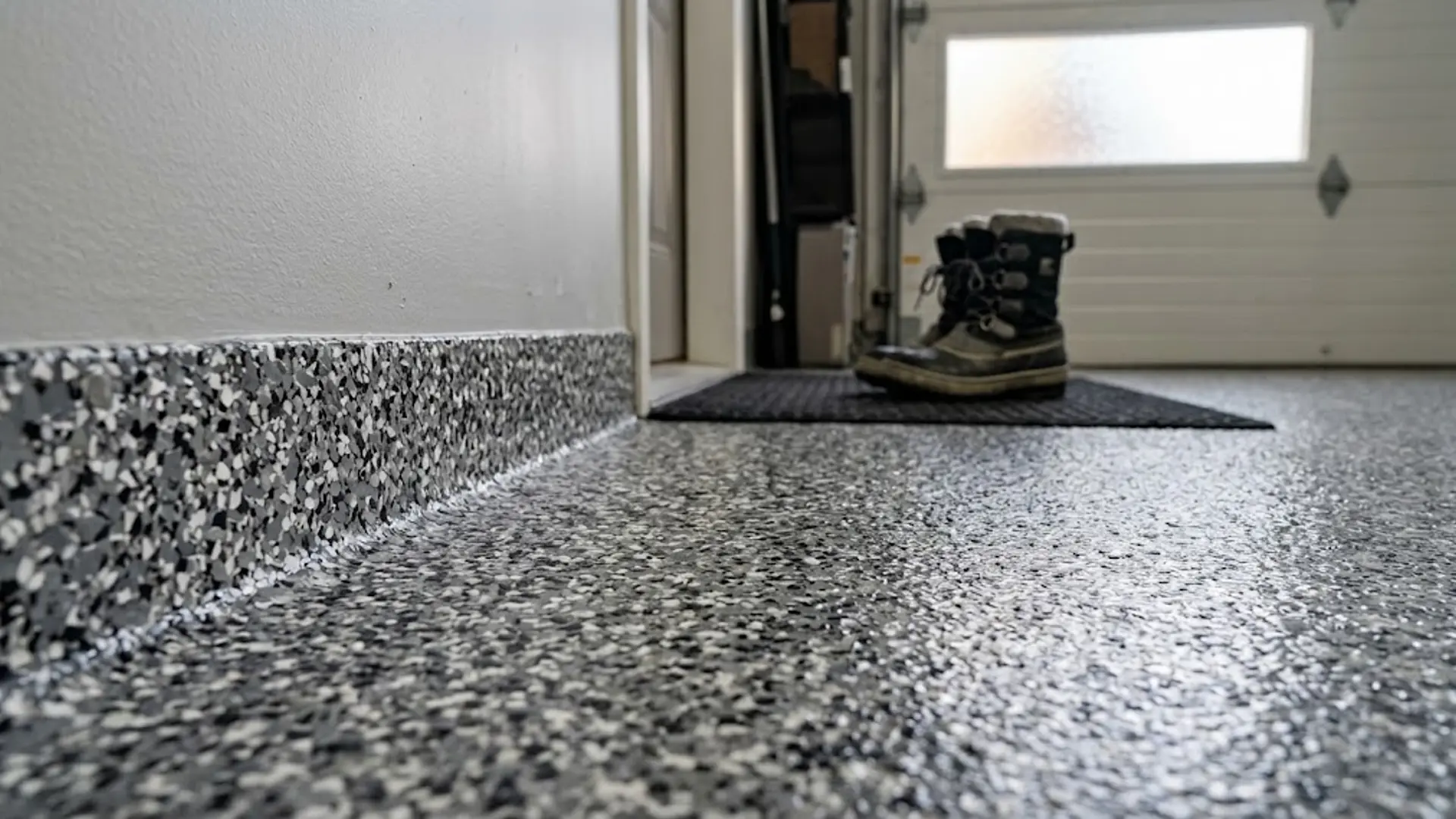
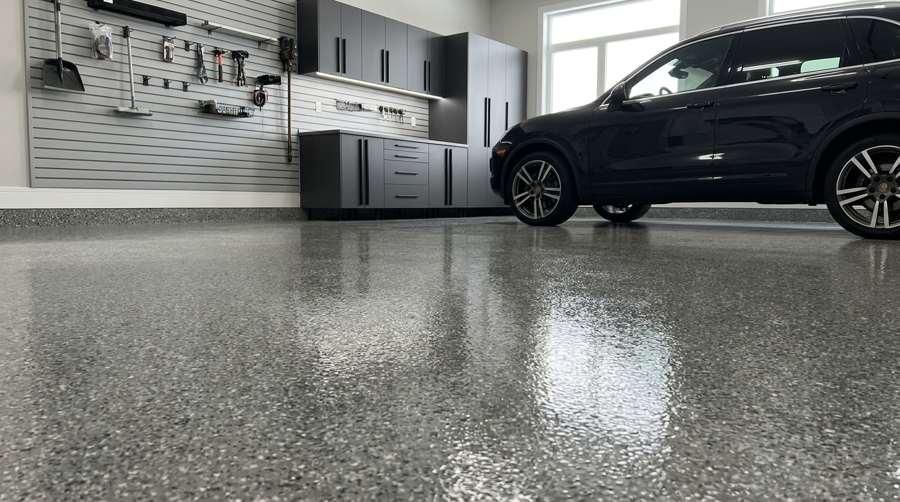
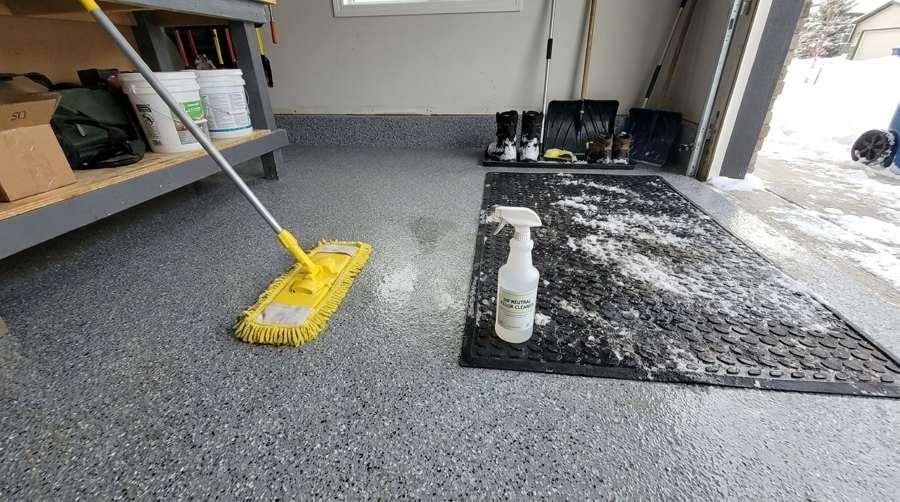
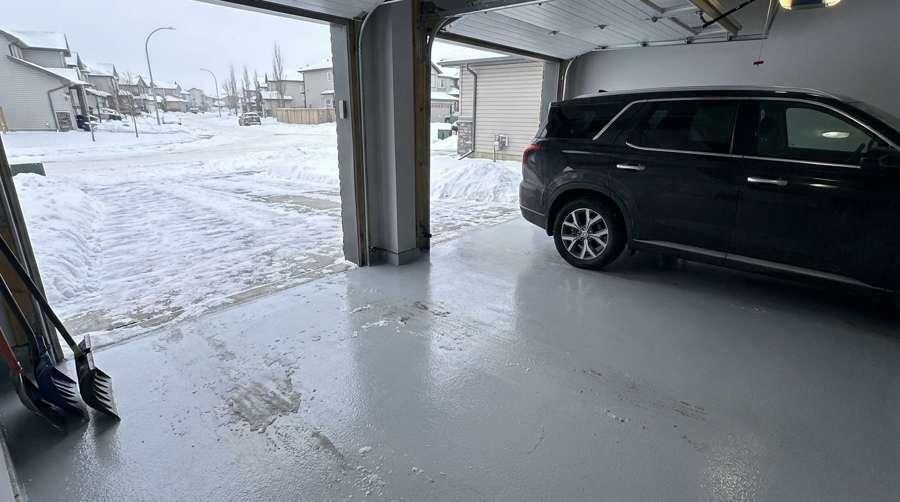
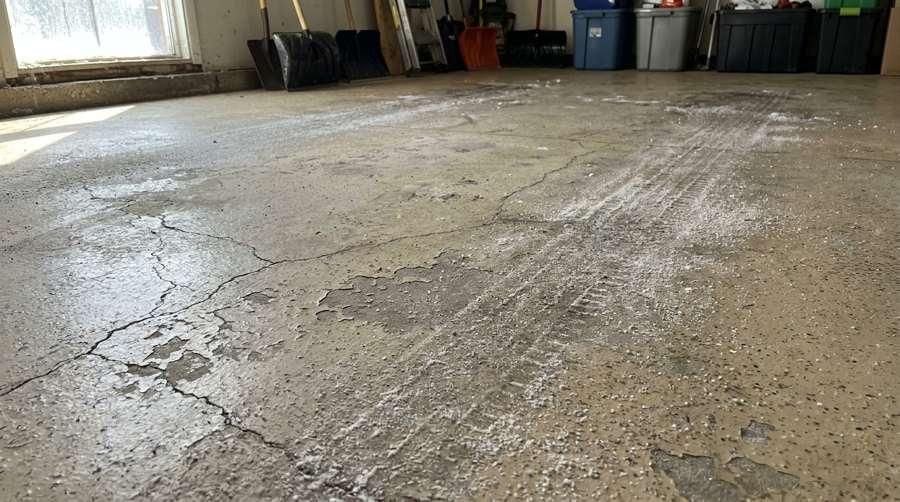
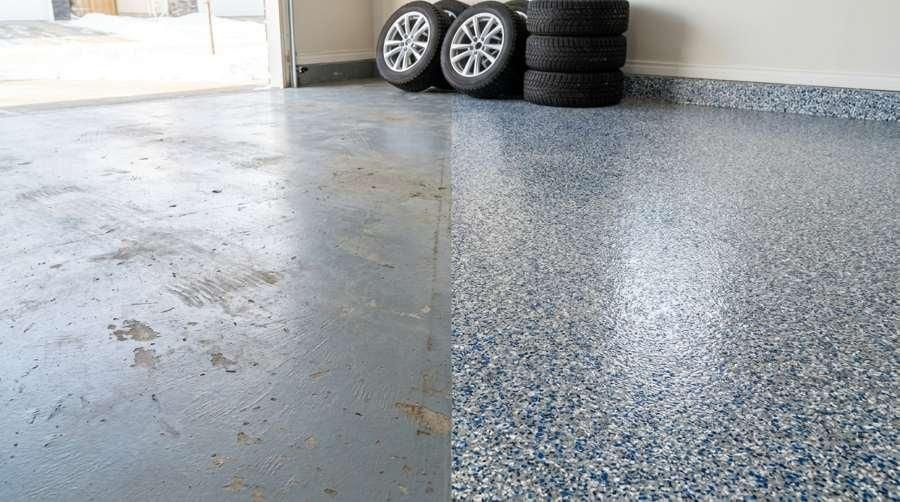
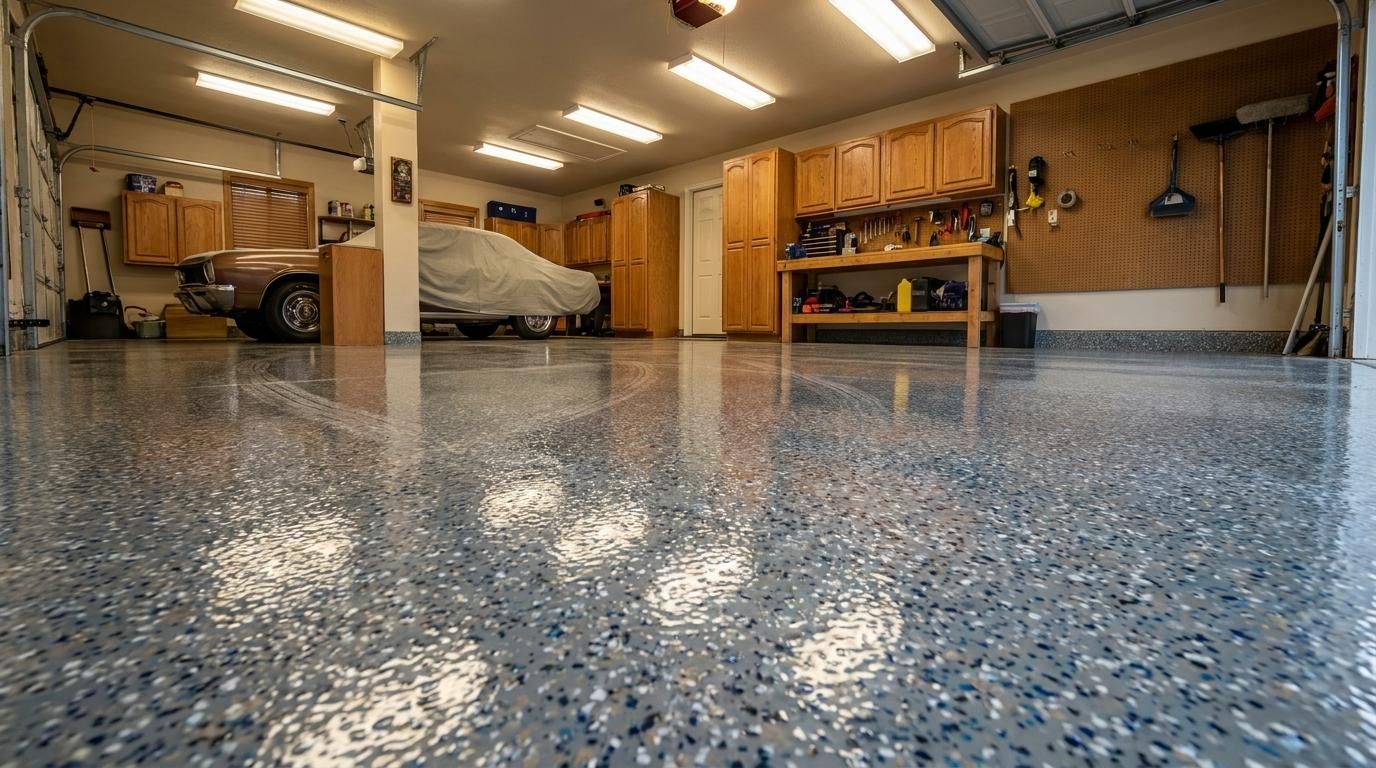
The proof shows up at year five. A properly applied polyaspartic floor still holds its original gloss and colour. The cracked, staining concrete it replaced needed annual patching just to stay functional. That durability gap comes down to coating chemistry, installation quality, and how well the system handles Edmonton's freeze-thaw, road salt, and moisture vapour. The sections below walk through what determines coating lifespan and how Edmonton's climate actually affects it over time.
What Determines How Long a Polyaspartic Coating Lasts?
Several factors control whether your coating reaches 10 years or 20.
Surface Preparation Quality
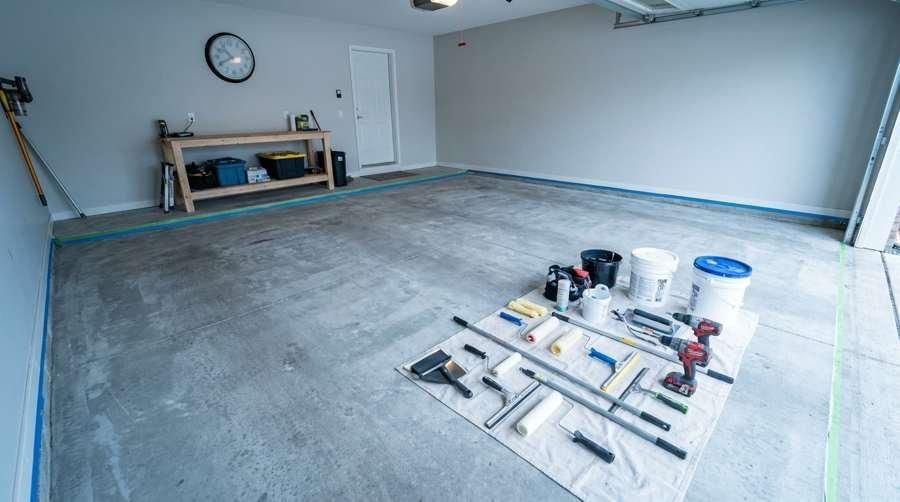
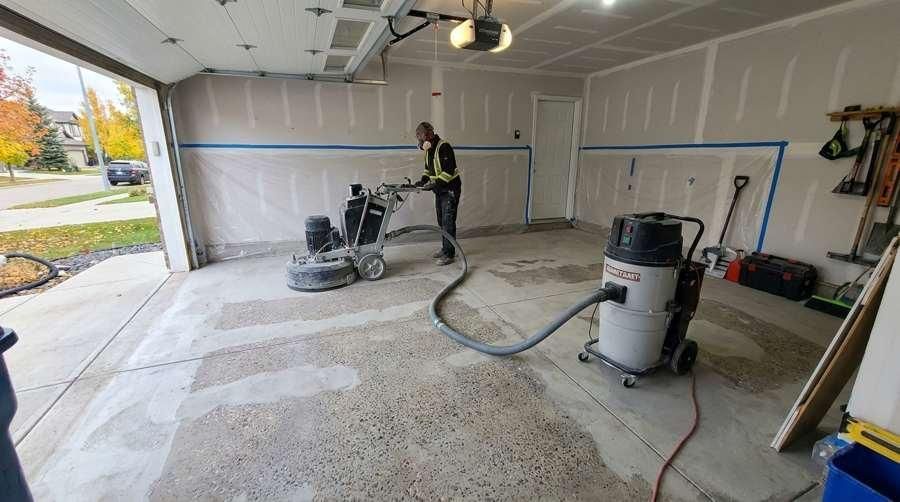
Coating longevity starts with the concrete underneath. Diamond grinding creates a mechanical bond between the coating and the slab. Crack repair and moisture testing ensure the system isn't undermined from below. Skipping or rushing prep is the single most common reason professional coatings fail before their expected lifespan. Garage Floors 4 Less Edmonton's concrete repair and resurfacing process addresses cracks, spalling, and moisture issues before any coating goes down.
Coating Thickness and Layer Count
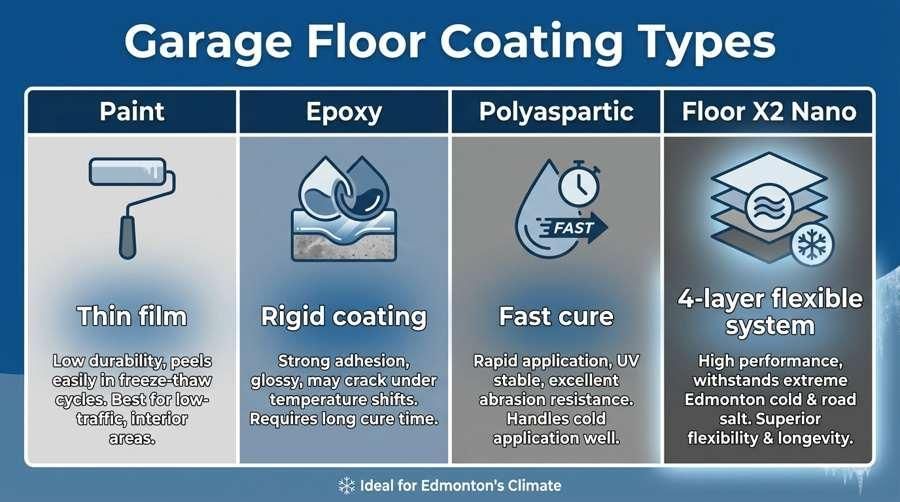
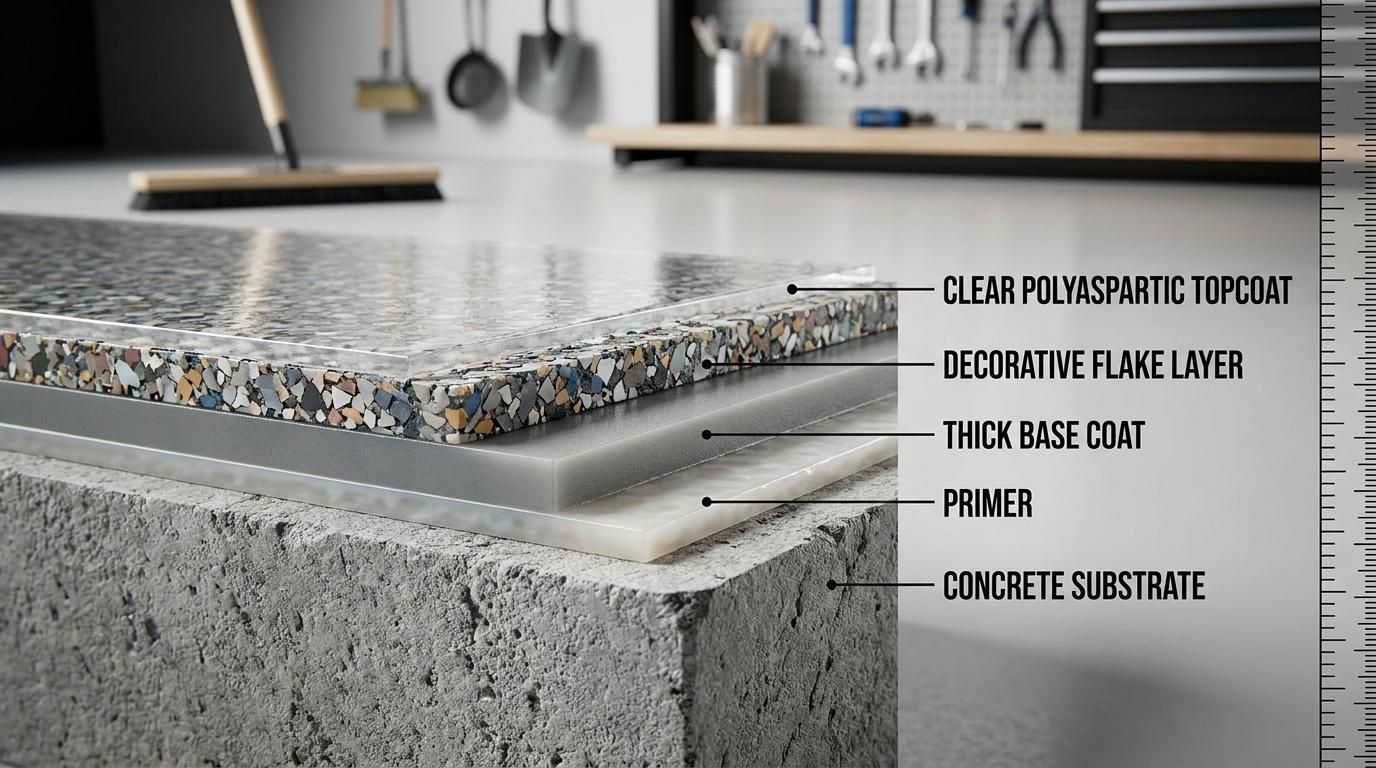
A single-coat system wears through faster than a multi-layer one. The Floor X2 Fusion + Nano nanospartic system uses four layers with a base coat twice as thick as conventional systems. That added material thickness means more wear resistance before the coating reaches the concrete underneath.
Traffic and Chemical Exposure
Daily vehicle traffic, road salt from November through March, automotive fluids, and de-icing chemicals all contribute to surface wear. A non-porous polyaspartic topcoat resists these exposures better than epoxy, but heavier commercial or industrial use will still shorten the lifespan compared to a residential garage with moderate traffic.
How Edmonton's Climate Affects Coating Longevity
Edmonton presents specific environmental challenges that affect how long any floor coating maintains its bond and appearance.
Freeze-Thaw Cycling
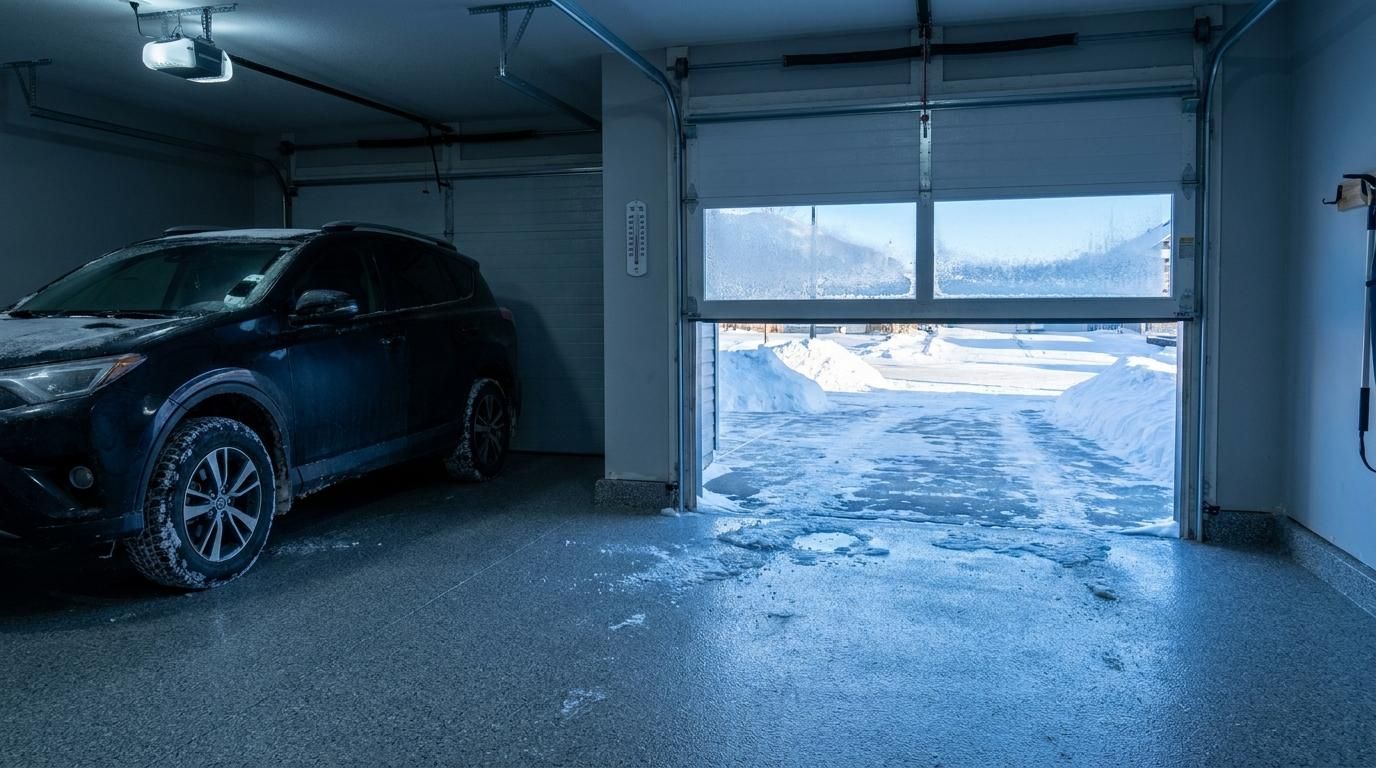
Edmonton's spring and fall shoulder seasons bring repeated freeze-thaw cycles, with temperatures crossing the freezing mark multiple times per week. This creates expansion and contraction stress in both the concrete slab and the coating on top of it. Rigid coatings like epoxy crack under this movement. Polyaspartic and nanospartic systems stay flexible enough to move with the slab without losing adhesion.
Moisture Vapour Transmission
Spring thaw drives moisture vapour up through the concrete. Coatings without a vapour barrier bubble and peel as that moisture lifts them from beneath. The Floor X2 Fusion + Nano system includes a guaranteed moisture vapour transmission barrier, which is why installations by Garage Floors 4 Less Edmonton maintain their adhesion through Edmonton's wettest months.
Road Salt and UV Exposure
Road salt tracked into the garage five months per year and strong summer UV both degrade coatings over time. A UV-stable, chemically resistant topcoat handles both without yellowing or chemical breakdown. Epoxy fails on both counts, which is why polyaspartic and nanospartic systems consistently outlast it in Alberta garages.
Frequently Asked Questions
How long does a polyaspartic garage floor last in Edmonton?
With proper surface preparation and a multi-layer professional installation, a polyaspartic floor coating in Edmonton typically lasts 10 to 20 years. The Floor X2 Fusion + Nano system Garage Floors 4 Less Edmonton installs is backed by a 15-year all-inclusive warranty against peeling and coating failure.
Does polyaspartic coating hold up in cold weather?
Polyaspartic remains flexible at temperatures well below freezing, which is why it outperforms rigid epoxy in cold climates. In Edmonton , where winter temperatures regularly drop below -30°C, polyaspartic-based systems maintain their bond to the concrete without cracking or delaminating.
What shortens the life of a garage floor coating?
Poor surface preparation is the leading cause of premature failure. Skipping diamond grinding, ignoring moisture problems, or applying a coating over cracked concrete all reduce lifespan significantly. Road salt, heavy vehicle traffic, and chemical spills also accelerate wear on any coating system.
The Coating That Holds Up Winter After Winter
How long a polyaspartic floor coating lasts in a cold climate depends on the system, the prep, and the installer. In Edmonton, freeze-thaw cycling, road salt, moisture vapour, and UV exposure create one of the toughest test environments for any coating. A properly installed nanospartic system handles all of those conditions while maintaining its appearance and adhesion for years. Garage Floors 4 Less Edmonton backs the performance of its Floor X2 Fusion + Nano with a 15-year all-inclusive warranty.
For a free quote, contact Garage Floors 4 Less Edmonton at (825) 523-4345 .