Epoxy vs. Polyaspartic Garage Floor Coatings: Which Is Better in 2026?
Polyaspartic vs epoxy coatings differ most in flexibility, cure time, and cold-climate durability. Polyaspartic stays flexible through freeze-thaw cycles and resists UV yellowing, while epoxy costs less upfront but becomes brittle, cracks, and peels in extreme temperatures. Garage Floors 4 Less Edmonton explains what separates these two systems for homeowners across the Edmonton area.
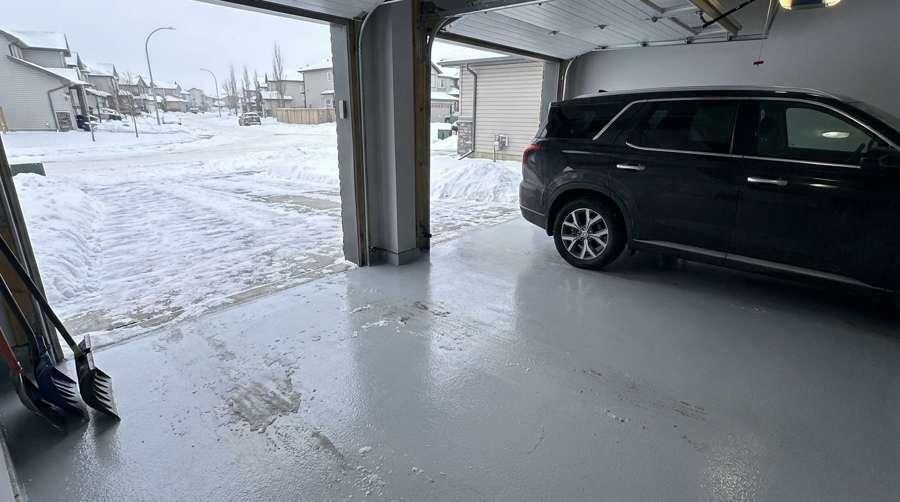
You’ve probably seen both epoxy and polyaspartic recommended on contractor websites across Edmonton, each one positioned as the better choice for your garage. These two coatings behave very differently once Alberta’s winters arrive, so understanding where each one fails tells you more than any spec sheet will.
How Each Coating Handles Edmonton’s Climate

Edmonton’s temperature range from -30°C in January to above 30°C in July creates over 60°C of thermal stress on any floor coating. That range is where epoxy and polyaspartic separate completely.
Where Epoxy Breaks Down
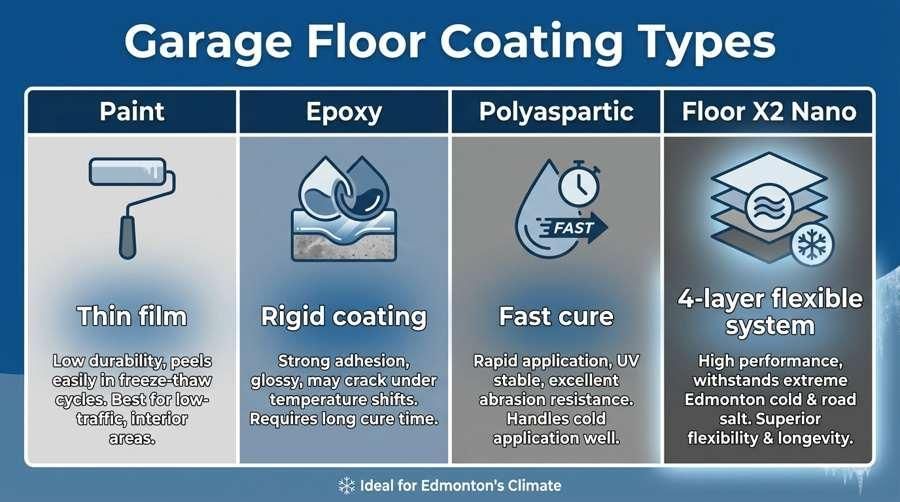
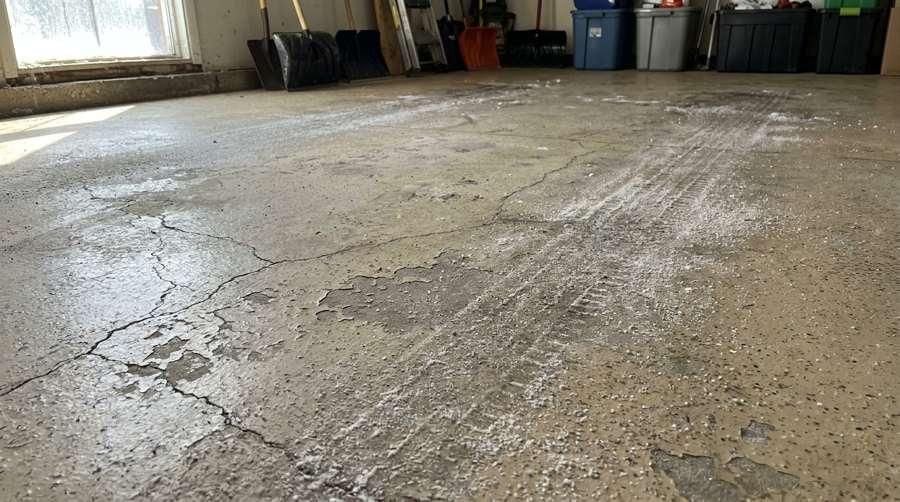
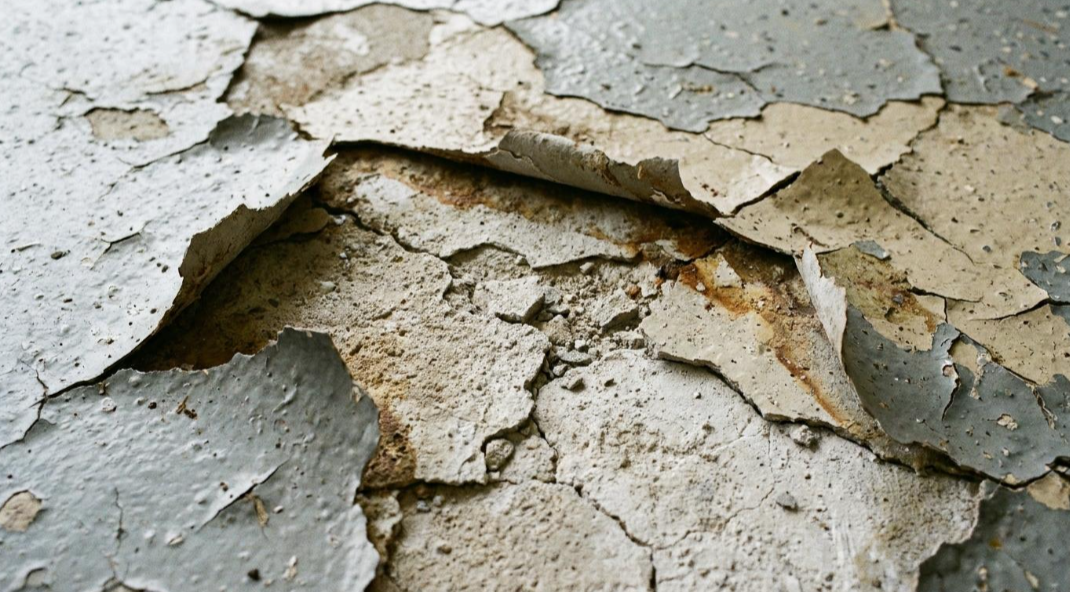
Epoxy is a rigid thermoset. Once it cures, it can’t flex. When concrete expands and contracts through freeze-thaw cycles, epoxy can’t move with it. The result is cracking, delamination, and eventually peeling. Moisture vapour rising through the slab each spring compounds this by breaking the epoxy-to-concrete bond from underneath, which is why bubbling and outgassing are so common in Edmonton garages.
Why Polyaspartic Holds Up
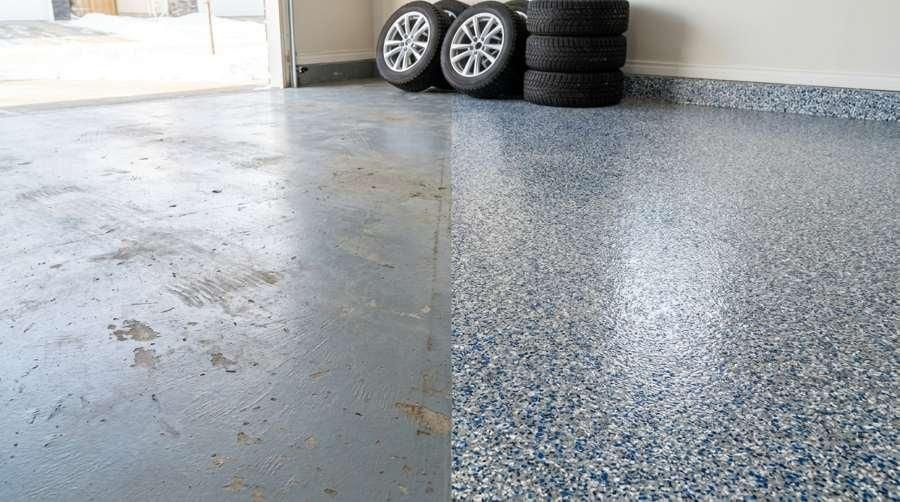
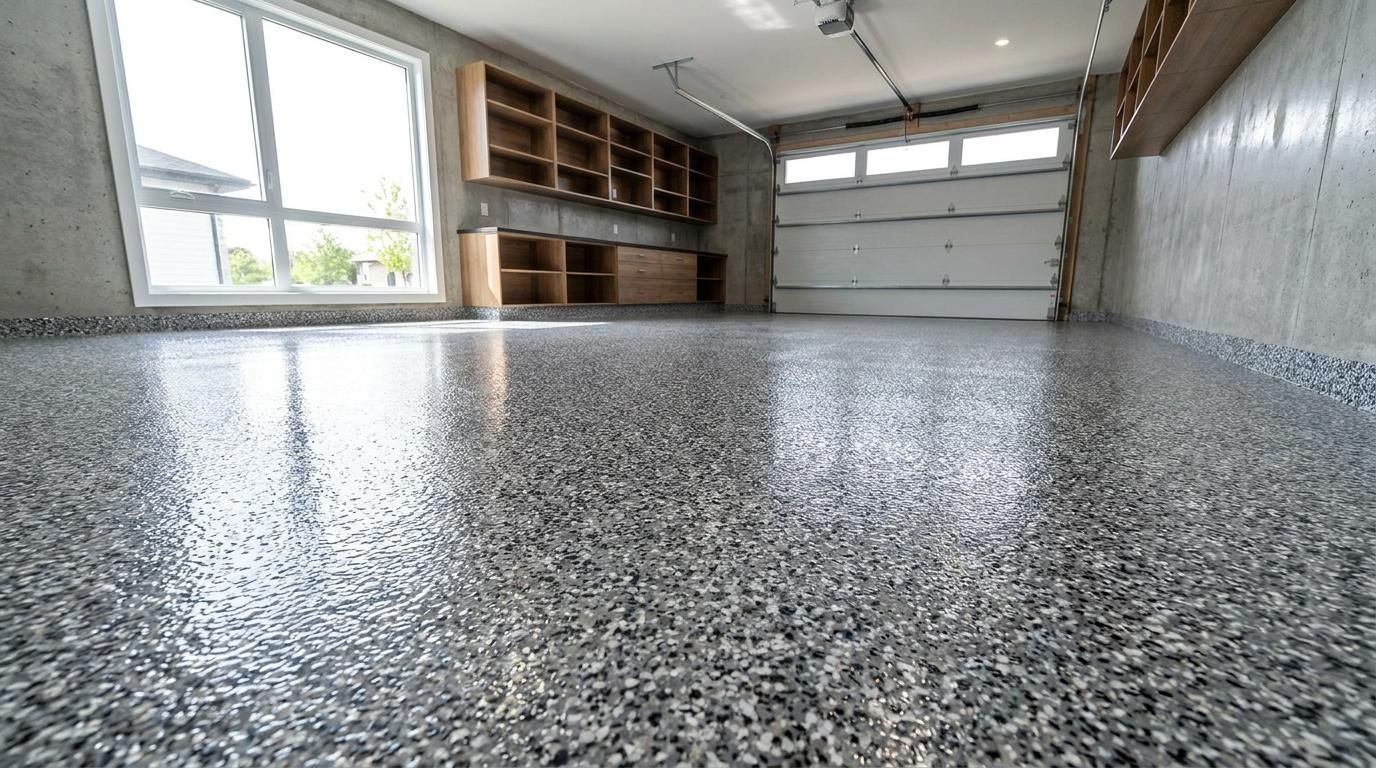
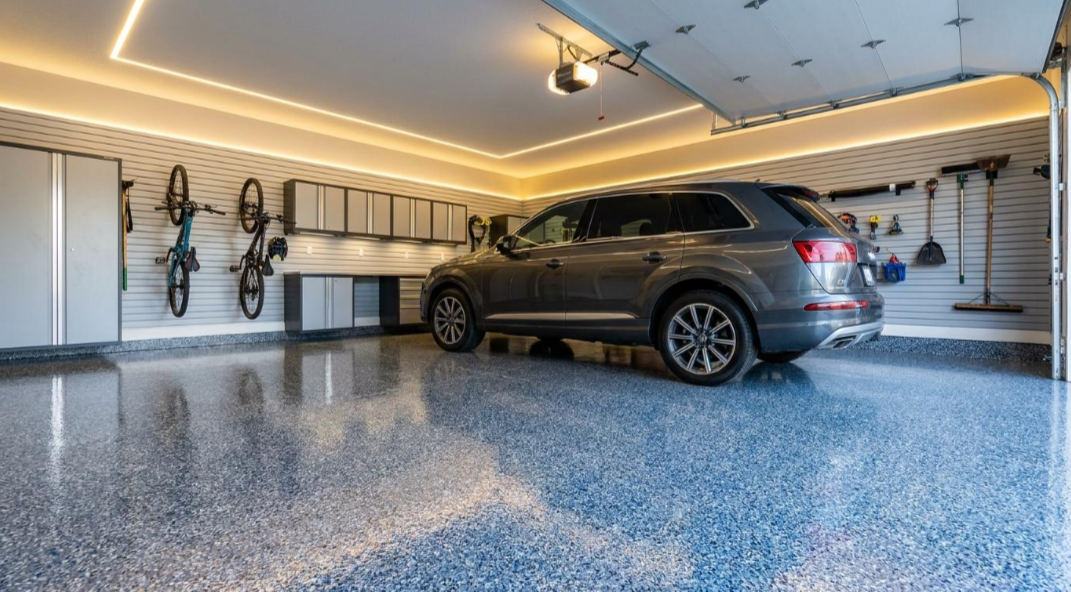
Polyaspartic coatings stay flexible across Edmonton’s full temperature range. They move with the concrete instead of fighting it. When applied as part of a multi-layer system like the Floor X2 Fusion + Nano, they also include a guaranteed moisture vapour barrier, addressing the primary cause of coating failure in this climate. Homeowners across Edmonton, St. Albert, and Sherwood Park deal with the same freeze-thaw pressure, and the coating needs to handle all of it.
Cure Time, UV Stability, and Everyday Performance

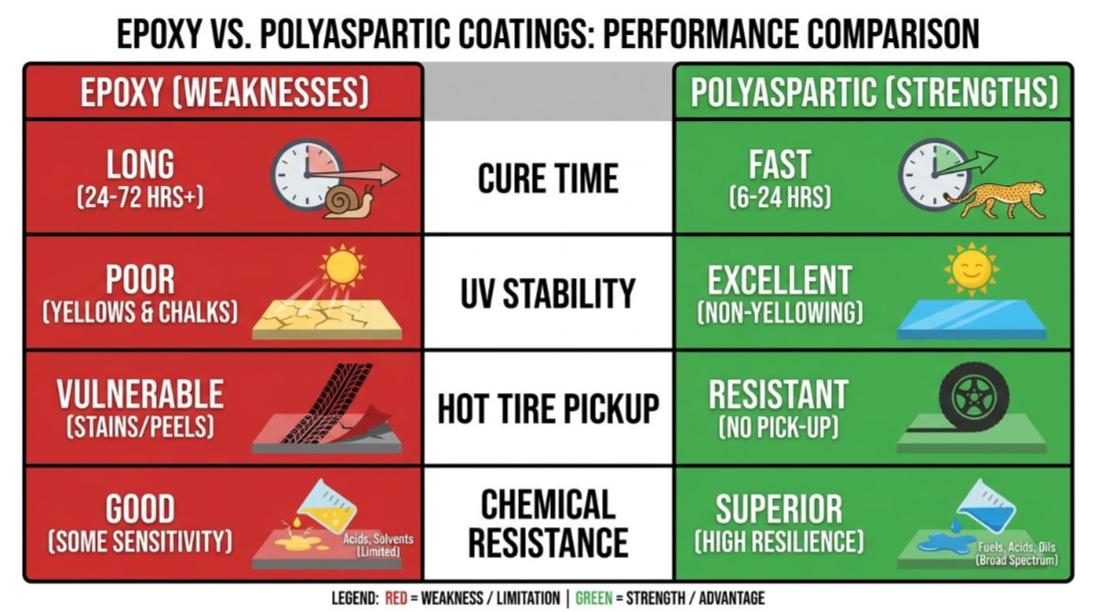
These four factors determine how each coating performs in your garage day to day:
- Cure time: Epoxy typically takes 24 hours to reach walk-on cure and 72 hours before vehicles can park on it, with full cure taking 5 to 7 days. The Floor X2 Fusion + Nano system reaches walk-on cure in 6–24 hours, and most installations are finished in a single day.
- UV stability: Epoxy yellows under prolonged sun exposure, especially in garages with south-facing doors. Polyaspartic coatings are UV stable and won't discolour.
- Hot tire pickup: Warm tires from summer driving soften epoxy and lift it from the slab. Polyaspartic resists this because it doesn't soften at typical tire temperatures.
- Chemical resistance: Epoxy holds up reasonably well against chemicals when the coating is intact, but once UV damage and freeze-thaw cycling crack the surface, road salt, oil, and de-icing fluid reach the concrete underneath. The Floor X2 system's non-porous surface resists these chemicals without breaking down in the first place.
A professional
garage floor coating should handle all four of these challenges without compromise. If your existing concrete has damage from a failed epoxy system,
concrete repair and resurfacing should come before any new coating goes down.
What Makes Nanospartic Different From Standard Polyaspartic
Standard polyaspartic already outperforms epoxy in cold climates. Nanospartic goes further by incorporating nano-technology into the coating formula, creating a denser molecular structure that improves adhesion and scratch resistance.
The Floor X2 Fusion + Nano system is Canada’s first no-peel, 4-layer garage floor coating. Its base coat is twice as thick as conventional systems, which strengthens the moisture vapour barrier and improves impact resistance. The entire system is 30% stronger than conventional polyaspartic coatings and comes backed by a 15-year all-inclusive warranty covering peeling and coating failure. Most epoxy products carry 1- to 5-year warranties, a gap that reflects their material performance.
Frequently Asked Questions
Is polyaspartic garage floor coating worth the higher upfront cost?
Polyaspartic costs more per square foot than epoxy, but it typically lasts significantly longer in cold climates. In Edmonton, epoxy typically cracks and peels within 2–5 years, making replacement the more expensive option over time. Garage Floors 4 Less Edmonton also offers 0% interest financing for 12 months through iFinance Canada to make the upgrade accessible.
Can you apply polyaspartic over an old epoxy floor?
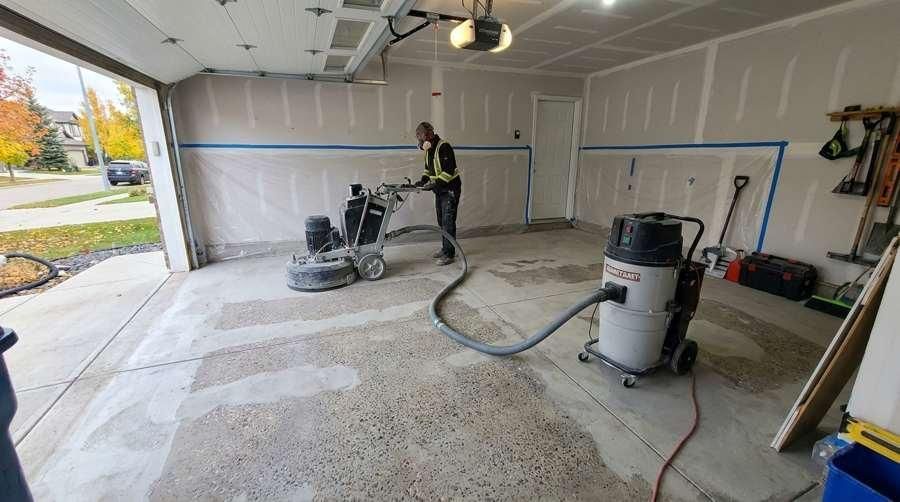
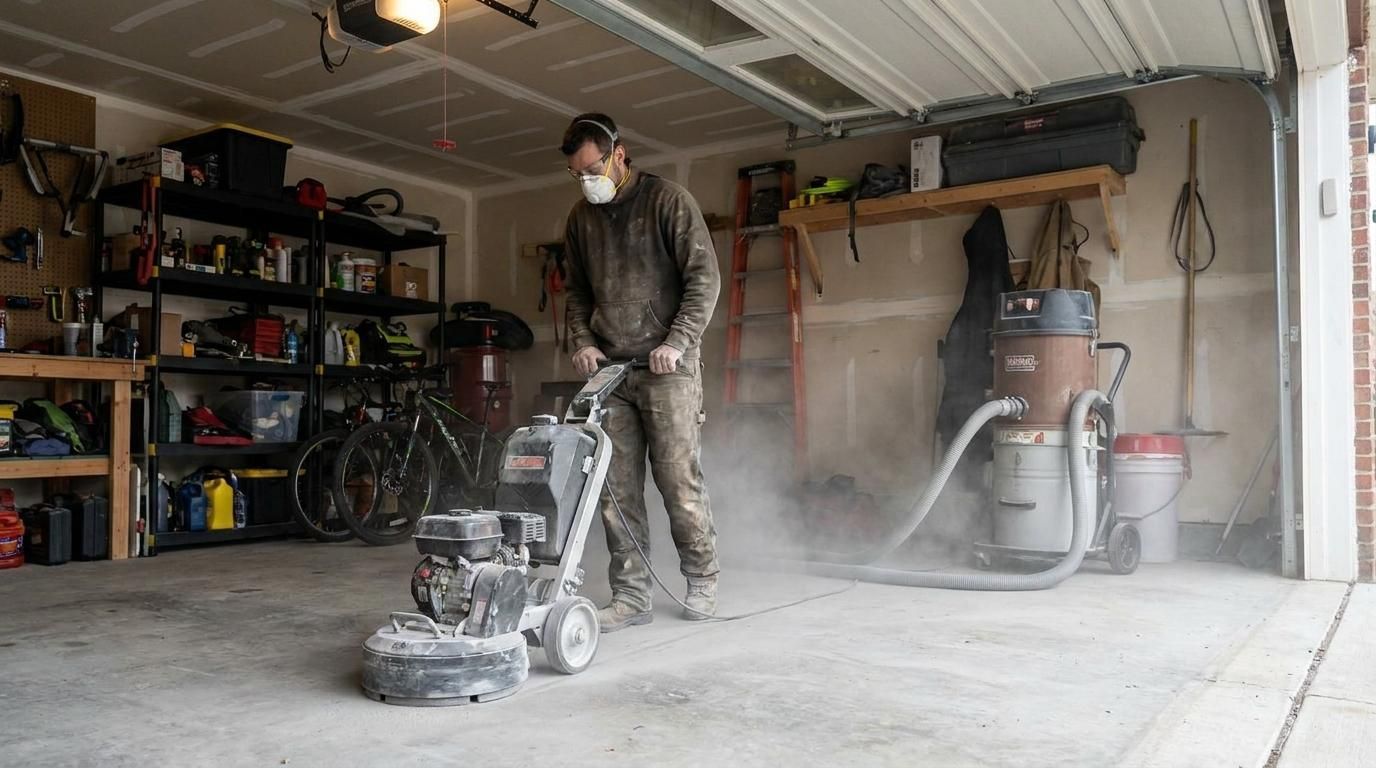
In most cases, yes. The existing epoxy needs mechanical abrasion through diamond grinding to create a proper bonding surface. Any areas where epoxy has peeled, bubbled, or delaminated require full removal and concrete repair before the new system goes down.
How long does polyaspartic floor installation take?
Most residential garage floors are completed in one day. The Floor X2 Fusion + Nano system cures rapidly enough that homeowners can park vehicles on the finished surface within 72 hours, compared to the 5- to 7-day curing window most epoxy systems require.
Choose the Coating That Handles Edmonton’s Worst